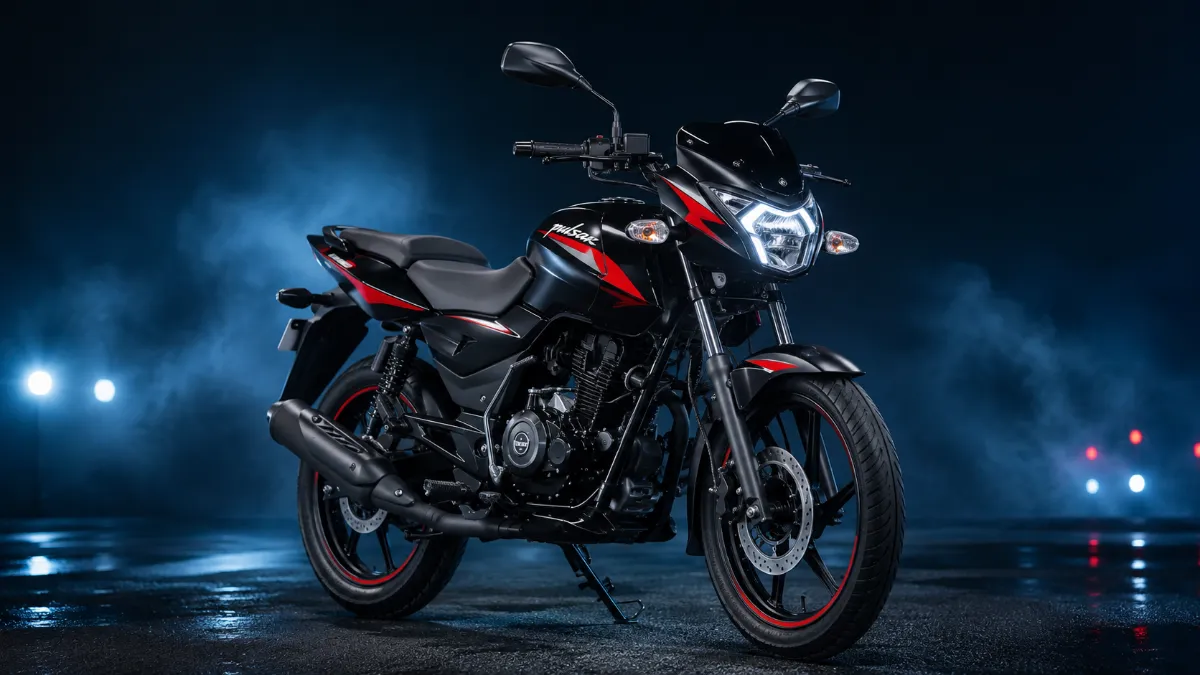
If you are searching for the Bajaj Pulsar 125 mileage, the most useful number is not simply the figure printed on a specification sheet. What really matters is how much fuel the bike uses in everyday traffic, on open highways, with a pillion, and during normal stop-and-go riding.
The Pulsar 125 has traditionally been one of Bajaj’s sportier options in the 125cc category, combining the familiar muscular Pulsar design with a relatively small engine. For the existing Pulsar 125, ARAI-certified mileage is listed at 57.5 kmpl, while independent testing and owner-reported figures can vary depending on traffic, riding style and road conditions.
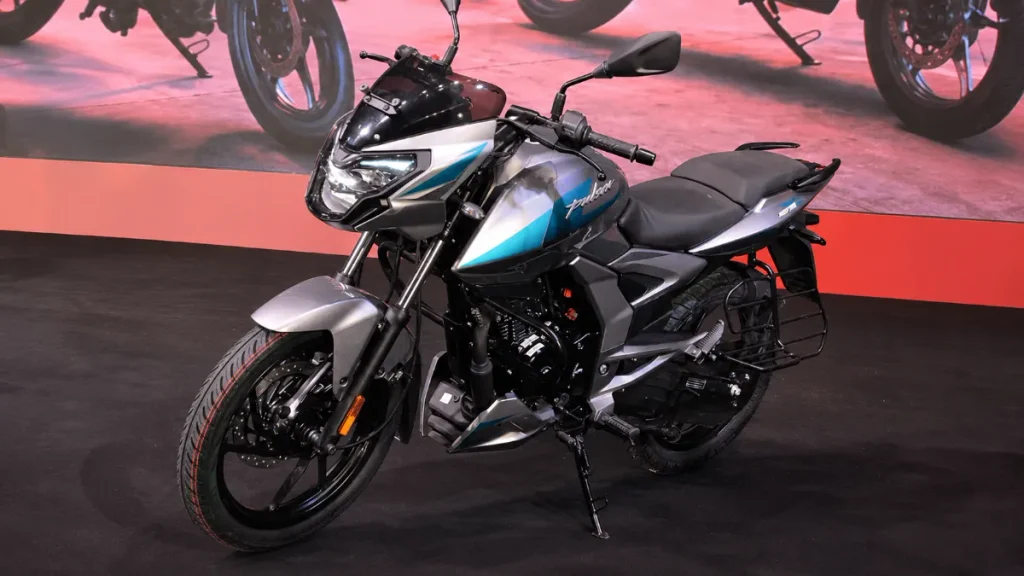
There is also an important 2026 update to keep in mind. On 24 August 2026, Bajaj unveiled an all-new Pulsar 125 with a new 124.58cc engine, 12 PS, 11 Nm, a new gearbox, monoshock suspension, three riding modes and an automatic start-stop system on higher variants. Because this new motorcycle has only just been unveiled, a large amount of independent real-world mileage data is not yet available.
So, if you are trying to understand Pulsar 125 average mileage, here is the complete picture.
Bajaj Pulsar 125 Mileage at a Glance
| Riding Condition | Expected Mileage |
|---|---|
| ARAI/claimed figure for existing Pulsar 125 | 57.5 kmpl |
| Real-world city riding | Around 50–55 kmpl |
| Heavy city traffic | Around 45–52 kmpl |
| Highway riding | Around 55–57 kmpl |
| Mixed riding | Around 50–55 kmpl |
| Aggressive riding | Can fall below 50 kmpl |
| With pillion | Usually lower than solo riding |
These figures should be treated as realistic ranges rather than guaranteed results. Your actual Bajaj Pulsar 125 average will depend on traffic, speed, tyre pressure, road conditions, load, maintenance and how aggressively you use the throttle.
Autocar India’s testing places the existing Pulsar 125’s real-world mileage broadly in the 50–55 kmpl range, while its earlier road test recorded approximately 51.5 kmpl in the city and 57 kmpl on the highway.
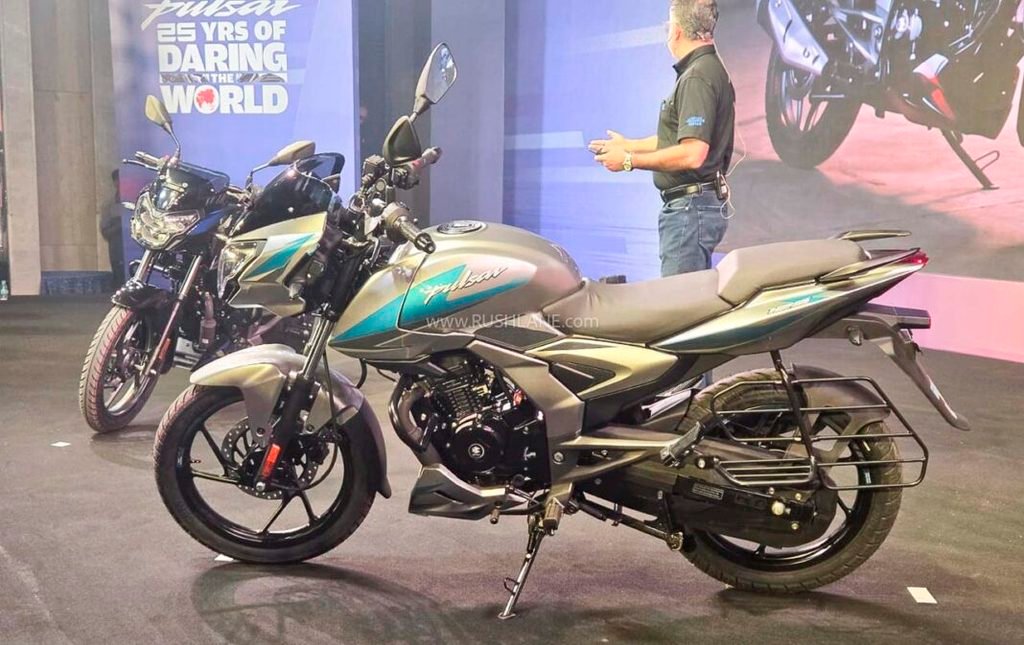
What Is the Real Mileage of the Bajaj Pulsar 125?
This is probably the first question most buyers ask.
In normal everyday use, expecting roughly 50–55 kmpl from the existing Pulsar 125 is a more sensible approach than assuming that the bike will always return its laboratory-certified figure.
If you ride smoothly, avoid unnecessary acceleration and maintain a steady speed, the motorcycle can move toward the upper end of that range.
On the other hand, frequent braking, hard acceleration, heavy traffic and high-speed riding can bring the average down.
One current owner-reported database puts the real-world average at about 50 kmpl, showing why real-world mileage should always be considered separately from a certified figure.
In simple terms:
Claimed mileage: around 57.5 kmpl
Practical everyday expectation: around 50–55 kmpl
Heavy traffic: potentially around the mid-to-high 40s
Smooth highway riding: potentially around the mid-to-high 50s
That is a much more useful way to look at Pulsar 125 fuel efficiency.
Bajaj Pulsar 125 City Mileage
The city is where mileage figures become difficult to predict.
A motorcycle can deliver excellent fuel economy on an open road, but stop-and-go traffic changes the situation completely.
Every time you accelerate from a standstill, the engine has to work harder. Frequent braking means you then have to accelerate again. Traffic lights, crowded junctions, short trips and constant clutch use can all affect fuel consumption.
In independent testing, the existing Pulsar 125 returned approximately 51.5 kmpl in city conditions.
For everyday city riding, therefore, around 48–53 kmpl can be a reasonable expectation depending on the conditions.
City mileage can improve if you:
- Maintain a steady throttle
- Avoid unnecessary hard acceleration
- Shift gears smoothly
- Maintain correct tyre pressure
- Avoid carrying unnecessary weight
- Keep the engine properly serviced
- Plan routes around extremely congested roads when possible
If your daily commute involves heavy bumper-to-bumper traffic, don’t be surprised if your actual figure is lower than the advertised mileage.
Bajaj Pulsar 125 Highway Mileage
Highway riding is generally more favourable for fuel efficiency because the motorcycle spends more time moving at a relatively consistent speed.
An earlier independent road test recorded 57 kmpl on the highway for the Pulsar 125.
That makes the bike quite reasonable for riders who occasionally use it for longer journeys.
However, there is an important difference between cruising smoothly and riding aggressively.
If you continuously ride at high speeds and frequently use the upper part of the rev range, fuel consumption can increase.
For mileage-focused highway riding, a smooth and consistent pace is usually much better than repeated bursts of acceleration.
Bajaj Pulsar 125 Mileage With Pillion
Carrying a passenger naturally increases the load on the motorcycle.
That means the engine has to work harder, particularly during acceleration, climbing roads and overtaking.
Autocar’s mileage information indicates that carrying a pillion can reduce real-world efficiency by roughly 5–6 kmpl compared with solo riding.

So if you normally see around 52–55 kmpl while riding alone, the figure may drop when you regularly carry a passenger.
The exact difference will depend on:
- Rider weight
- Pillion weight
- Traffic
- Road gradient
- Tyre pressure
- Acceleration habits
- Average speed
This is completely normal and isn’t necessarily an indication of a mechanical problem.
Bajaj Pulsar 125 Mileage in Heavy Traffic
Heavy traffic is one of the biggest enemies of fuel economy.
Imagine a typical commute:
You start the bike, accelerate for a short distance, brake, wait at a signal, accelerate again, change gears repeatedly and repeat the process dozens of times.
The engine never gets a chance to operate efficiently for long.
Under these conditions, mileage can fall into the mid-to-high 40 kmpl range, depending on how severe the traffic is.
This is why two Pulsar 125 owners can report completely different mileage numbers.
One rider may get 55 kmpl on an open route, while another may see 45–48 kmpl during a congested daily commute.
Both figures can be genuine.
How to Get Better Mileage From Your Bajaj Pulsar 125
You don’t need to ride extremely slowly to get good fuel economy.
A few simple habits can make a noticeable difference.
1. Avoid Sudden Acceleration
Opening the throttle aggressively every time the signal turns green consumes more fuel.
Use progressive acceleration instead.
2. Maintain the Correct Tyre Pressure
Under-inflated tyres increase rolling resistance.
Check the recommended pressure regularly, especially if you frequently carry a pillion.
3. Don’t Ignore Regular Servicing
A properly maintained engine generally performs more consistently than one that has been neglected.
Oil condition, air filtration, spark plugs and other service items can all influence how smoothly the motorcycle runs.
4. Use the Correct Gear
Running in too low a gear at higher speeds can unnecessarily raise engine rpm.
At the same time, don’t force the engine to pull from extremely low rpm in a high gear.
Smooth gear selection is the key.
5. Reduce Unnecessary Idling
If you are going to remain stationary for a significant period, unnecessary idling simply uses fuel.
The 2026 all-new Pulsar 125 introduces an Integrated Starter Generator (ISG) with automatic start-stop on the top three variants, a feature Bajaj says is intended to help improve fuel economy.
Bajaj Pulsar 125 Engine and Performance

The existing Pulsar 125 uses a 124.38cc single-cylinder engine producing 11.8 PS and 10.8 Nm, paired with a 5-speed gearbox. Bajaj’s current specification page lists the motorcycle with a 15-litre tank, although its 2026 owner’s documentation and earlier official material list 11.5 litres, so buyers should verify the tank capacity for the exact variant/year they are considering.
The more important development is the new-generation Pulsar 125 unveiled on 24 August 2026.
Bajaj says the new model uses a 124.58cc engine producing 12 PS at 8,000 rpm and 11 Nm at 6,000 rpm. It also gets a new gearbox designed to improve lower-gear performance.

This means the new bike isn’t simply a cosmetic update.
There are meaningful mechanical changes underneath.
2026 New Bajaj Pulsar 125: Will Mileage Be Better?
This is where we need to be realistic.
The new Pulsar 125 gets several features that could help everyday efficiency, including ISG-based automatic start-stop on the top three variants. Bajaj specifically says the system helps improve fuel economy.
However, it would be premature to publish a definitive real-world mileage number for the new 2026 model before independent tests and long-term owner data become available.
So, if you see claims such as “2026 Pulsar 125 gives exactly 60 kmpl in every condition,” be careful.
Real mileage is never identical for every rider.
The best approach is to wait for independent city, highway and mixed-use tests before treating a particular figure as representative.
Bajaj Pulsar 125 Fuel Tank and Riding Range
Fuel tank capacity is another important part of the mileage story.
For the existing Pulsar 125, Bajaj’s older official documentation lists an 11.5-litre tank with a 2.5-litre reserve.
If a motorcycle averages around 50–55 kmpl, simple multiplication suggests a substantial theoretical range between fuel stops.
For example:
11.5 litres × 50 kmpl = 575 km
11.5 litres × 55 kmpl = 632.5 km
These are mathematical estimates, not guaranteed riding ranges.
You should never plan a trip by assuming you can completely empty the tank.
Traffic, riding style, reserve fuel and road conditions all affect the usable range.
Is Bajaj Pulsar 125 Good for Daily Commuting?
Yes, particularly for riders who want something more stylish and performance-oriented than a basic commuter motorcycle.
The Pulsar 125 combines a relatively small engine with the visual character of the Pulsar family.
Its 5-speed gearbox and sporty positioning make it suitable for regular urban riding, while its fuel efficiency remains reasonable for daily use.
The current model also offers features such as a digital console and USB charging on applicable variants. Bajaj lists Bluetooth connectivity, call/message alerts and other connected functions on selected versions.
For someone covering significant kilometres every month, fuel efficiency can make a noticeable difference to running costs.
Is Pulsar 125 Mileage Better Than Pulsar 150?
Generally, a smaller 125cc engine has an advantage when fuel economy is the main priority.
The Pulsar 125 is designed as the more accessible and economical member of the classic Pulsar family.
However, choosing between the two shouldn’t be based only on mileage.
A rider who regularly travels with a passenger, rides on highways or wants stronger performance may prefer a larger engine.
A commuter primarily concerned with fuel costs may find the Pulsar 125 more suitable.

Bajaj Pulsar 125 vs Other 125cc Bikes for Mileage
Mileage is one of the strongest reasons buyers consider motorcycles such as the Honda Shine, Honda SP125, TVS Raider, Hero Glamour and other commuter bikes.
The Pulsar 125 isn’t necessarily designed to win every mileage comparison.
Its appeal comes from the combination of:
- Sporty styling
- Pulsar identity
- Reasonable fuel efficiency
- Decent performance
- 5-speed transmission
- Everyday practicality
For example, BikeWale’s owner-reported data currently puts the Pulsar 125 at about 50 kmpl, while the same database lists higher figures for some conventional commuter rivals.
So if absolute maximum mileage is your only priority, there may be other choices worth considering.
But if you want mileage plus a sportier motorcycle feel, the Pulsar 125 becomes more interesting.
What Affects Bajaj Pulsar 125 Mileage the Most?
There isn’t one single factor responsible for fuel efficiency.
The biggest factors are usually:
Riding Style
Aggressive acceleration and high-rpm riding can reduce mileage.
Traffic
Stop-start traffic generally consumes more fuel than steady cruising.
Load
A passenger or heavy luggage increases the work required from the engine.
Tyre Pressure
Incorrect pressure can increase rolling resistance.
Engine Condition
A well-maintained motorcycle is more likely to deliver consistent performance.
Road Conditions
Hills, poor roads and frequent stops can increase fuel consumption.
Speed
Very high-speed riding generally requires more engine effort and fuel.
Trip Length
Repeatedly riding only a few kilometres can produce different results from longer rides after the motorcycle has reached normal operating conditions.
How to Calculate Your Real Pulsar 125 Mileage
The most reliable method is simple.
Don’t depend entirely on the bike’s mileage display.
Instead, use the full-tank method.
Step 1
Fill the tank and note the odometer reading.
Step 2
Ride normally for several days.
Step 3
Refill the tank.
Step 4
Note exactly how many litres were added.
Step 5
Calculate:
Mileage = Distance travelled ÷ Fuel consumed
For example, if you travel 420 km and use 8 litres:
420 ÷ 8 = 52.5 kmpl

That gives you a much more useful picture of your actual Bajaj Pulsar 125 mileage.
For even better accuracy, repeat the calculation over several refills instead of relying on a single tank.
Bajaj Pulsar 125 Mileage: What Should You Expect?
If you’re buying the existing Pulsar 125 and want a simple answer, here’s the practical takeaway:
Around 50–55 kmpl is a sensible real-world expectation for mixed everyday riding.
In smooth conditions, the bike can move toward the upper end of that range. Heavy traffic, frequent acceleration and carrying a passenger can push the number lower.
Independent testing has recorded around 51.5 kmpl in the city and 57 kmpl on the highway, while Autocar’s current assessment puts real-world use broadly around 50–55 kmpl.
The certified figure is useful as a benchmark, but it shouldn’t be confused with what every rider will achieve.
2026 Pulsar 125: What Makes the New Model Different?
The timing of this article is important because Bajaj has just introduced a substantially updated Pulsar 125.
The new motorcycle comes with:
- 124.58cc engine
- 12 PS power
- 11 Nm torque
- New 5-speed gearbox
- New diamond-type frame
- Monoshock suspension
- 5-inch TFT console
- Google Maps mirroring
- Three riding modes
- Crawl Tech
- New LED headlamp
- ISG on top three variants
- Automatic start-stop technology on applicable variants
Bajaj says the new Pulsar 125 is the most powerful 125cc motorcycle in the market, and it has launched at an introductory price of ₹92,900 ex-showroom Delhi.
Because this model has only just been unveiled, independent mileage testing will be particularly important in determining how the new engine and start-stop system affect real-world fuel consumption.
Frequently Asked Questions
What is the Bajaj Pulsar 125 mileage?
The existing Pulsar 125 has an ARAI-certified mileage figure of about 57.5 kmpl, while real-world usage is generally around 50–55 kmpl, depending on conditions.
Is Pulsar 125 good for daily use?
Yes. Its 125cc engine, 5-speed gearbox, sporty design and reasonable fuel efficiency make it suitable for regular city commuting.
What is Pulsar 125 city mileage?
Independent testing has recorded approximately 51.5 kmpl in city conditions. Actual results can vary considerably with traffic and riding style.
What is Pulsar 125 highway mileage?
An earlier road test recorded approximately 57 kmpl on the highway. Smooth riding at a consistent speed generally helps fuel economy.
Does carrying a pillion reduce Pulsar 125 mileage?
Yes. More weight means the engine has to work harder. Autocar reports that carrying a pillion can reduce real-world mileage by roughly 5–6 kmpl.
Is 60 kmpl possible on the Pulsar 125?
It can be possible under favourable conditions, but it shouldn’t be treated as a guaranteed everyday figure. Certified and real-world mileage are different measurements.
What is the new 2026 Pulsar 125 mileage?
A definitive independent real-world mileage figure for the new 2026 Pulsar 125 is not yet established because Bajaj unveiled the new motorcycle on 24 August 2026. The new model does, however, get ISG-based automatic start-stop on the top three variants, which Bajaj says helps improve fuel economy.
Is Pulsar 125 better than a mileage-focused commuter?
It depends on your priorities. If you want maximum possible fuel economy, a traditional commuter may be more suitable. If you want a balance of sporty styling, performance and reasonable mileage, the Pulsar 125 is a stronger proposition.
Final Verdict: Is Bajaj Pulsar 125 Mileage Good?
The Bajaj Pulsar 125 mileage is good enough for everyday commuting, but it is important to keep expectations realistic.
A figure around 50–55 kmpl in normal mixed riding is a useful real-world benchmark for the existing model. Smooth highway riding can push efficiency higher, while heavy traffic, aggressive acceleration and extra load can bring it down.
What makes the Pulsar 125 interesting is that it doesn’t focus purely on economy. It tries to give riders a more exciting, sporty motorcycle while keeping fuel consumption at a reasonable level.
And now the story is becoming even more interesting.
The all-new 2026 Bajaj Pulsar 125 brings a new engine, new gearbox, monoshock suspension, TFT technology, ride modes and automatic start-stop technology on higher variants.
So, if you’re searching for a Bajaj Pulsar 125 mileage, Pulsar 125 average, Pulsar 125 city mileage, Pulsar 125 highway mileage, Pulsar 125 real mileage, or simply wondering how much mileage Pulsar 125 gives, the key takeaway is simple:
Don’t chase one magic mileage number. Look at the riding conditions, understand the difference between claimed and real-world efficiency, and judge the bike based on the kind of riding you actually do.
Note: Mileage figures are indicative and can vary by model year, variant, traffic, fuel quality, rider weight, tyre pressure, maintenance and riding style. The 2026-generation Pulsar 125 has only recently been unveiled, so independent long-term mileage data will take time to become available.