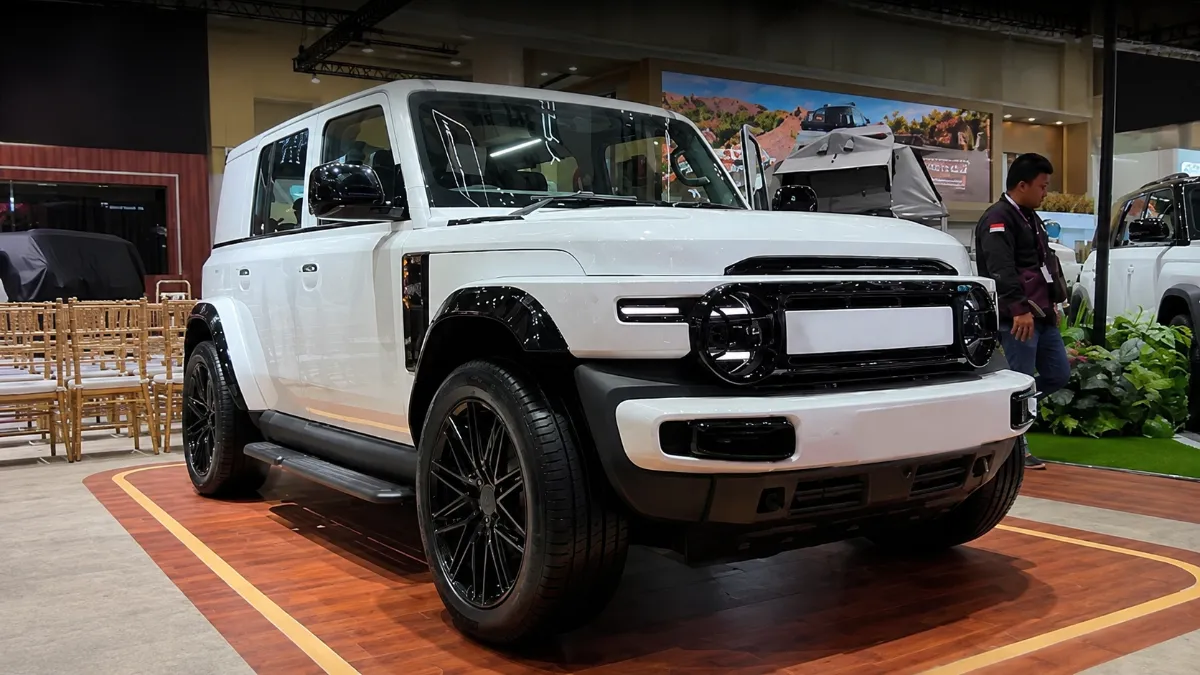
The Indian automobile market is going through a major transformation. Electric vehicles are becoming more popular, SUVs continue to dominate buyer preferences, and technology is becoming just as important as engine performance.
Amid all this change, one name is attracting increasing attention: JSW.
However, there is one important point to understand first. JSW is not currently selling cars in India under a standalone “JSW Car” passenger-car brand. Its automotive presence is primarily through JSW MG Motor India, the joint venture between JSW Group and SAIC Motor. The partnership was created to expand MG’s Indian operations, increase localisation and develop a stronger new-energy vehicle ecosystem.
So, why are people increasingly talking about a JSW Car? And could JSW eventually become a much bigger name in India’s automotive industry?
Let’s take a closer look.
What Is JSW Car?
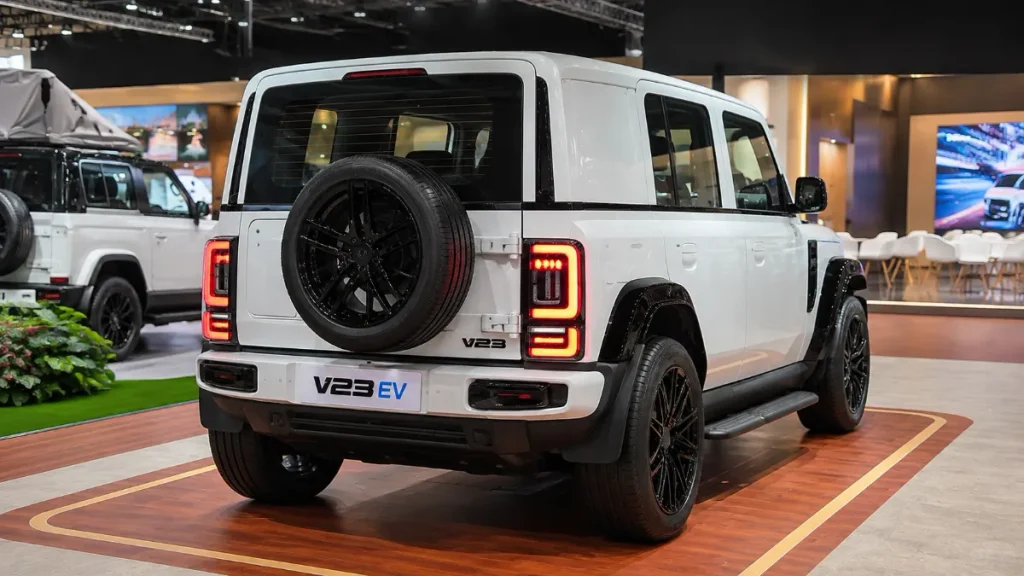
When people search for “JSW Car”, they may be referring to JSW’s growing presence in the Indian automobile industry rather than a currently available car sold simply under the JSW badge.
JSW Group entered the automotive business through its partnership with SAIC Motor, the parent company associated with MG. The resulting company, JSW MG Motor India, is focused on passenger vehicles, new-energy mobility, localisation and technology.
This makes JSW an interesting new force in India’s car industry.
JSW already has a large presence in sectors such as steel, energy, infrastructure and cement. Its move deeper into automobiles gives the group another major consumer-facing business with long-term growth potential.
Why JSW’s Automotive Entry Matters
India is no longer a market where simply offering an affordable petrol car is enough.
Customers increasingly want:
- Modern SUVs
- Electric vehicles
- Connected technology
- Premium interiors
- Strong safety features
- Better driving range
- Faster charging
- Competitive ownership costs
- Advanced driver-assistance technology
JSW MG Motor’s strategy appears to be built around many of these trends.
In its 2024 roadmap, the company said it wanted to increase production capacity from more than 100,000 vehicles annually to as much as 300,000 vehicles, while also expanding localisation and focusing strongly on new-energy vehicles.
That is a significant ambition.
JSW MG Motor Is Already Expanding Its EV Portfolio
The clearest indication of where JSW’s automotive strategy is heading can be seen in electric vehicles.
The MG Windsor has become a major part of the company’s EV portfolio. JSW MG Motor India reported that more than 75,000 Windsor units had been sold in less than two years by July 2026, while the company also reported 19,000-plus Windsor sales during the first half of 2026.
The company has also reported strong overall EV growth. According to JSW MG Motor India, its EV sales increased by 66% in FY2026 compared with FY2025, reaching 62,591 units.

This shows that the company’s automotive strategy is not simply about launching more petrol and diesel models.
Electric mobility is clearly an important part of the plan.
A Big Focus on New Energy Vehicles
One of the most interesting developments came in July 2026, when JSW MG Motor India introduced its MG ADAPT platform.
The platform has been designed to support multiple new-energy technologies, including:
- Battery-electric vehicles
- Hybrid vehicles
- Plug-in hybrid vehicles
- Range-extender electric vehicles
The company says one EV and one PHEV are planned on the platform during FY2026-27.
This could become an important step because Indian consumers have different requirements.
Some buyers want a pure EV.
Others may prefer a hybrid because of concerns about charging infrastructure and long-distance travel.
A flexible platform allows the company to explore several technologies without completely developing separate architectures for every type of vehicle.
Could We See a Car With a JSW Badge?
This is where it is important to separate confirmed information from speculation.
At present, there is no confirmed mainstream passenger car officially announced for India as a standalone “JSW Car” brand.
The current automotive operation is JSW MG Motor India, and the vehicles sold through this business continue to carry MG branding. JSW’s own website describes JSW MG Motor India as its automotive joint venture with SAIC Motor.
Therefore, headlines suggesting that a completely new “JSW car brand” is already ready for launch should be treated carefully unless they are backed by an official announcement.
That said, JSW’s increasing involvement in the automotive business naturally creates speculation about what the group could do next.
The Bigger Opportunity Could Be Electric SUVs
If JSW wants to make a major impact in India, SUVs and EVs could be the most logical areas to focus on.
Indian buyers have shown strong interest in SUVs, while the EV segment is gradually moving beyond early adopters.

JSW MG Motor is already expanding in this direction.
The company has announced new-energy vehicle plans, introduced the ADAPT platform and expanded its EV portfolio.
This could eventually lead to a wider range of vehicles covering different price points.
An affordable electric SUV could attract mass-market buyers, while premium electric models could target customers looking for more technology and luxury.
Technology Could Become a Major Selling Point
Another area where JSW MG Motor is trying to differentiate itself is technology.
The company’s new-energy strategy includes connected technology, intelligent energy management and advanced vehicle systems.
The ADAPT platform, for example, is designed around different drive modes and an integrated approach to electric and hybrid powertrains.
This matters because today’s car buyers increasingly compare vehicles based on screens, connectivity, cameras, safety technology and software — not just engine displacement.
The next generation of Indian car buyers is likely to expect their vehicle to behave more like a connected electronic device.
Manufacturing and Localisation Will Be Important
For any new automotive strategy to succeed in India, localisation will be crucial.
JSW and SAIC have already outlined plans to increase manufacturing capacity and expand local sourcing. The 2024 roadmap specifically highlighted extensive localisation and expansion of the manufacturing footprint.
Higher localisation can potentially help manufacturers:
- Reduce dependence on imports
- Control costs
- Build a stronger supplier network
- Improve production scale
- Respond faster to Indian market requirements
For customers, the long-term benefit could be more competitive pricing and better availability of parts and vehicles.
JSW Has Another Advantage: Its Industrial Ecosystem
JSW is not entering the automotive world as a completely unknown company.
The group already operates across major industrial sectors, including steel, energy and infrastructure.
That existing industrial ecosystem could become valuable as the automotive industry increasingly depends on batteries, charging infrastructure, energy management and sustainable manufacturing.

This does not automatically guarantee success in cars, of course.
Building a successful automotive brand requires much more than financial strength. Product quality, after-sales service, dealer reach, reliability and customer trust are equally important.
But JSW certainly has the scale to make a long-term commitment.
What About MG’s Future Cars?
This is probably the most interesting question for Indian car buyers.
JSW MG Motor India has already stated that it wants to expand its new-energy portfolio. In July 2026, the company said it was preparing to add two new EVs and one PHEV to its portfolio during the financial year.
The company has also introduced the MG MAJESTOR in India’s premium SUV space, showing that its ambitions are not restricted to small electric cars.
So rather than expecting an immediate standalone JSW-branded car, buyers should watch the JSW MG Motor India product pipeline.
That is where the company’s current automotive strategy is actually taking shape.
Could JSW Challenge Tata and Mahindra?
It would be too early to say that JSW is directly challenging established Indian automakers such as Tata Motors or Mahindra across the entire market.
Those companies have decades of experience, huge dealer networks and extremely strong brand recognition.
However, JSW MG Motor can potentially become a more serious competitor in specific areas — particularly EVs, premium SUVs, connected vehicles and new-energy technology.
The company has already demonstrated its ability to compete in the EV market, with the Windsor becoming a major sales success.
If JSW continues investing in products, localisation and technology, its presence could become much more significant over the coming years.
What Could a Future JSW Car Look Like?
If JSW eventually decides to introduce vehicles under its own brand, the most likely direction would be difficult to predict today.
However, based on its current automotive investments, areas such as these would make strategic sense:
Electric SUV: A practical family EV aimed at India’s growing electric-car market.
Premium SUV: A larger vehicle featuring advanced technology and a premium cabin.
Hybrid SUV: A model designed for buyers who want improved efficiency without depending entirely on charging infrastructure.
Connected Car: A vehicle built around software, connected services and smart technology.
These are possibilities rather than confirmed products, so they should not be treated as official upcoming JSW models.
Is JSW Car Worth Waiting For?
For someone specifically waiting for a car carrying a JSW badge, there is currently no confirmed standalone JSW passenger car to book.
But if the question is whether JSW’s automotive journey is worth watching, the answer is definitely yes.
The group has already established a major automotive joint venture, is investing in EVs and new-energy technologies, and has ambitious plans for production and localisation.
The next few years could reveal just how large JSW wants its automotive business to become.
Final Verdict
The JSW Car story is not really about a single car launching tomorrow.
It is about a much bigger shift.
JSW has moved from being primarily known for industrial businesses into a serious automotive partnership through JSW MG Motor India. The company is investing in electric vehicles, new-energy platforms, localisation and future automotive technology.
The success of the MG Windsor, the expansion of the EV portfolio and the development of the ADAPT platform show that this is more than a short-term experiment.
Whether we eventually see a true standalone JSW Car remains an open question.
But one thing is clear: JSW is already becoming an important name in India’s changing automotive landscape, and its next moves could make the competition even more interesting.
Quick Take
| Point | Details |
|---|---|
| JSW standalone car brand | Not officially confirmed |
| Current automotive business | JSW MG Motor India |
| Automotive partner | SAIC Motor |
| Major focus | EVs & New Energy Vehicles |
| Key EV | MG Windsor |
| New platform | MG ADAPT |
| Future technology | EV, Hybrid, PHEV & REEV |
| Manufacturing ambition | Up to 3 lakh vehicles annually |
| Main opportunity | EVs, SUVs & premium mobility |
Note: “JSW Car” is commonly used as a search term, but readers should distinguish it from JSW MG Motor India, which is the group’s current passenger-vehicle operation. Future standalone JSW-branded models should only be considered confirmed after an official announcement.