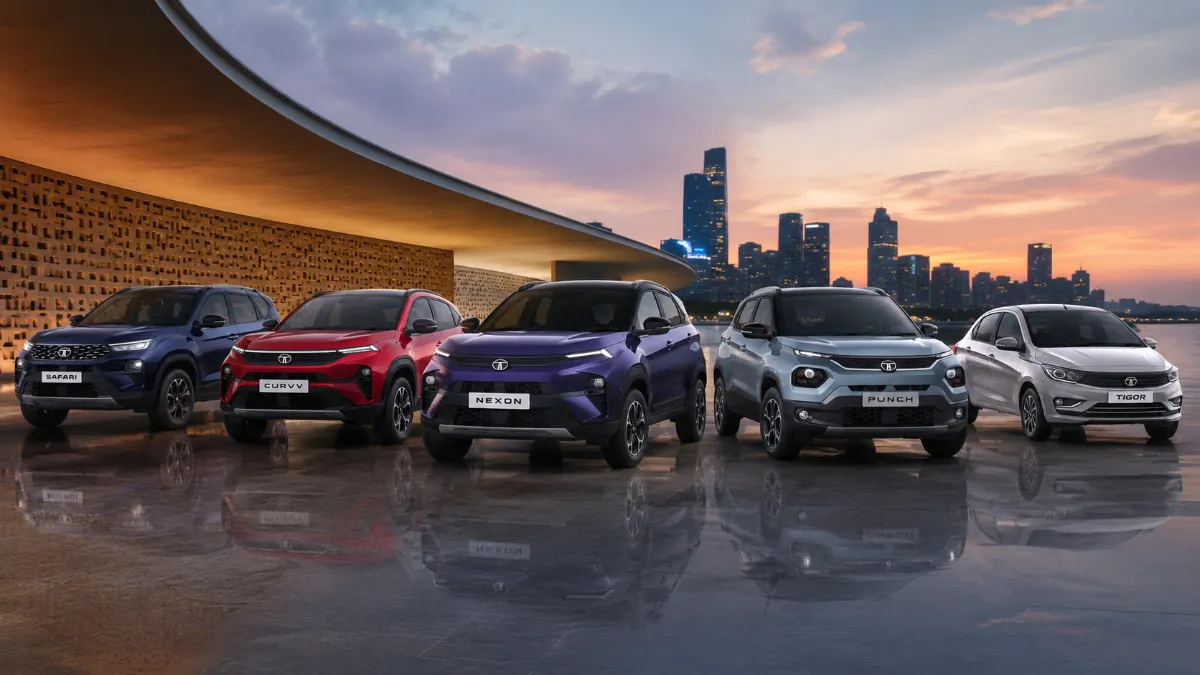
Tata Motors Tata Cars Brand Identity has entered a new phase as Tata Motors Passenger Vehicles introduces Tata.Cars as its new customer-facing identity. The move is designed to give Tata’s passenger-vehicle business a more modern, distinctive and future-focused identity while keeping the trusted Tata name at the centre.
The new identity comes at an important time for Tata’s car business, with the company expanding across petrol, diesel, CNG and electric vehicles while also focusing heavily on design, technology, safety and connected mobility.
The new brand promise is “Nothing’s Too Far”, reflecting Tata’s vision of helping customers go further and pursue bigger aspirations.
What Is Tata.Cars?
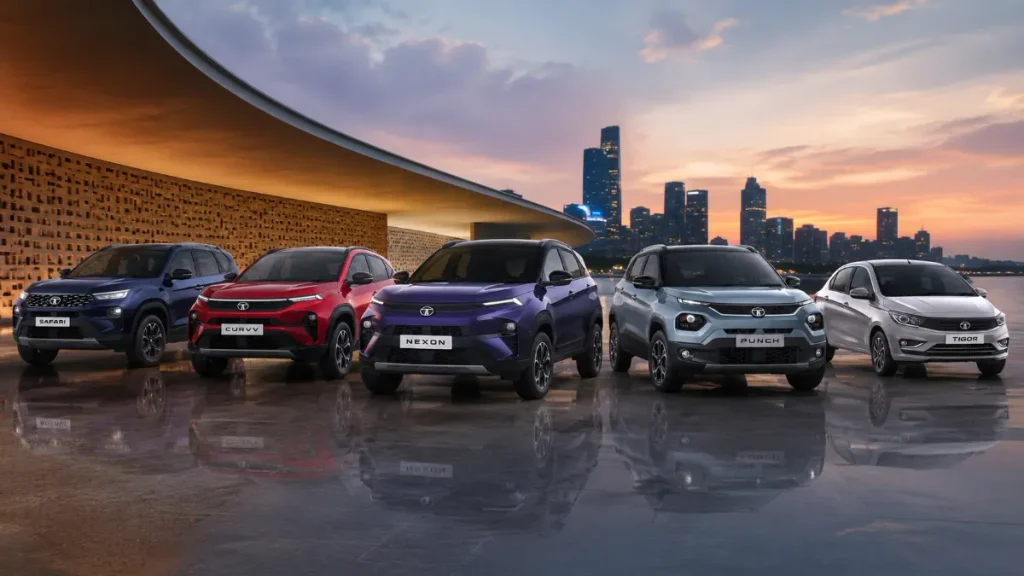
Tata.Cars is the new consumer-facing identity of Tata Motors’ passenger-vehicle business. It brings Tata’s cars, SUVs and passenger mobility products under a clearer and more contemporary brand expression.
Importantly, this does not mean Tata Motors is disappearing from the company’s legal or corporate identity. The legal and registered name will continue to be Tata Motors Passenger Vehicles Limited, while Tata.Cars will increasingly appear across customer-facing platforms.
The new identity is expected to become visible across:
- Tata car showrooms and dealerships
- Digital platforms
- Marketing and advertising
- Customer communication
- After-sales and service touchpoints
- Passenger-vehicle experiences
This gives Tata’s passenger-vehicle business a dedicated identity following the separation of its passenger-vehicle and commercial-vehicle businesses.
Why Did Tata Motors Introduce Tata.Cars?
The Indian car buyer has changed significantly over the last decade. Buyers today are not looking only for mileage and price. Design, safety, technology, connectivity, comfort and brand image have become important parts of the purchase decision.
Tata Motors says its products and customer experiences have evolved, and the new identity is intended to reflect that transformation.
The company has also crossed the milestone of 7 million passenger-vehicle customers, making the new brand identity an important step for its next phase of growth.
The idea behind Tata.Cars is therefore bigger than simply changing a name. It is about creating a unified consumer-facing identity around the entire passenger-car experience.
Tata.Cars Brand Promise: “Nothing’s Too Far”
One of the biggest highlights of the new Tata Motors Tata Cars Brand Identity is the new promise:
“Nothing’s Too Far”
The message connects the car with ambition, opportunity and personal freedom.
Tata Motors wants the automobile to be viewed not simply as a machine for travelling from one place to another, but as something that helps people reach their goals and explore new possibilities.
This positioning also fits Tata’s long-running focus on understanding the aspirations of Indian customers. In 2017, Tata Motors introduced the corporate brand promise “Connecting Aspirations”, placing customer aspirations at the centre of its brand philosophy.
The new “Nothing’s Too Far” proposition takes that idea into a more contemporary passenger-car environment.
Why Tata Cars Stand Out in India
Tata cars have developed a distinct identity in the Indian automotive market. Several factors have contributed to this change.
1. Bold and Recognisable Design
Design has become one of the strongest characteristics of modern Tata cars.
Tata Motors introduced its IMPACT design philosophy with the objective of creating vehicles that could make an immediate visual impression while retaining their appeal over time. The company described the philosophy around expressive exteriors, distinctive proportions and human-centric interiors.
Over the years, Tata’s design direction has evolved considerably, with models such as the Nexon, Harrier, Safari, Punch and Curvv developing their own distinctive road presence.
The result is a stronger visual identity across the Tata passenger-car range.
2. Strong Focus on Safety
Safety has become an important part of Tata’s brand image.
For many Indian buyers, safety is now one of the first factors considered when purchasing a new car. Tata Motors has increasingly positioned safety as a core part of its passenger-vehicle offering.
This has helped Tata cars appeal to buyers who want a combination of modern styling, features and a stronger safety-oriented image.
3. Electric Mobility
Tata has also played an important role in India’s electric-car transition.
The company has developed a dedicated electric identity under TATA.ev, which continues to operate alongside the broader Tata.Cars identity.
This means the new brand architecture can accommodate both conventional passenger cars and electric vehicles while maintaining a common Tata connection.
Tata’s EV journey has already included models such as the Nexon.ev, Tiago.ev, Tigor.ev, Punch.ev and Curvv.ev, with the company continuing to expand its electric portfolio.
Tata.Cars and Tata.ev: What Is the Difference?
This is an important point for car buyers.
Tata.Cars is the broader customer-facing identity for Tata’s passenger-vehicle business.
Tata.ev remains the dedicated identity associated with Tata’s electric passenger vehicles.
In simple terms:
| Brand Identity | Role |
|---|---|
| Tata.Cars | Overall passenger-vehicle customer identity |
| Tata.ev | Electric vehicle identity |
| Tata Motors Passenger Vehicles Limited | Legal/registered passenger-vehicle company |
Tata.ev is therefore not being replaced by Tata.Cars. Instead, it continues as a dedicated EV identity within the wider passenger-vehicle brand architecture.
Tata Cars Design Has Come a Long Way
The transformation of Tata cars can be clearly seen through their design history.
Earlier Tata passenger vehicles were often viewed primarily from a value and practicality perspective. Over time, however, the company invested heavily in design and engineering.
The introduction of the IMPACT design language marked a major step in this transformation. Tata Motors said the philosophy was intended to create a youthful, energetic and bold character for its passenger vehicles.
Today, Tata’s design approach focuses on:
- Distinctive exterior styling
- Strong road presence
- Modern lighting signatures
- Premium-looking interiors
- Driver-focused layouts
- Connected technology
- Human-centric design
Tata Motors has also stated that design is a key part of its innovation strategy, with design teams in India, the UK and Italy contributing to its global design direction.
Tata Cars Technology and Connected Features
Modern Tata cars are increasingly becoming technology-focused products.
The company has been integrating connected technologies, digital interfaces and smarter cabin experiences into its vehicles.
Today, customers increasingly expect their cars to provide an experience similar to the technology they use every day.
This has pushed automakers to focus on:
- Connected car technology
- Digital displays
- Smartphone integration
- Voice-based controls
- Advanced infotainment
- Vehicle health information
- Remote vehicle functions
- Connected safety and convenience features
Tata Motors has described the modern cabin as evolving into a more intelligent and connected environment rather than remaining simply a place to sit and drive.
Tata Cars Portfolio in India
Tata’s passenger-vehicle portfolio covers multiple segments, giving buyers several options depending on their requirements.
Some of the prominent Tata passenger vehicles include:
- Tata Tiago
- Tata Tigor
- Tata Altroz
- Tata Punch
- Tata Nexon
- Tata Curvv
- Tata Harrier
- Tata Safari
- Tata Sierra
- Tata.ev electric models
The exact lineup and variants can change as Tata continues to introduce new products and updates.
The broader strategy is increasingly focused on offering customers different powertrain choices, including internal-combustion engines, CNG and electric powertrains.
Tata Cars and the Indian Customer
One reason the Tata brand remains important in India is its connection with the country’s changing aspirations.
Tata Motors has a long history in Indian mobility. The Tata Indica became an important milestone as an Indian-designed and manufactured passenger car, while models such as the Sierra and Safari helped establish Tata’s identity in the passenger-vehicle market.

The company has continued to evolve from a manufacturer focused heavily on utility and practicality toward a broader mobility brand built around design, technology, safety and electrification.
That evolution is one of the key reasons behind the introduction of Tata.Cars.
What Does Tata.Cars Mean for Future Tata Cars?
The new identity could become particularly important as Tata expands its future passenger-vehicle portfolio.
Rather than building separate identities around individual models, Tata can use Tata.Cars as a common umbrella for its passenger-vehicle experience.
This could help create a more consistent identity across:
Cars → SUVs → EVs → Digital Experience → Showrooms → Service
The company has said that its new brand system is designed to grow across products, technologies, experiences and models.
That makes Tata.Cars more than a visual refresh. It represents a broader attempt to create a unified customer experience.
Tata Motors Tata Cars Brand Identity: What Changes for Customers?
For existing Tata car owners, the immediate impact is expected to be limited.
Customers will continue to own and use their existing Tata vehicles as before. The main changes will be visible in customer-facing branding, communication, dealerships, digital touchpoints and other experiences as the new identity is rolled out.
The company plans to introduce the new identity progressively rather than changing everything overnight.
Will Tata Cars Become More Premium?
The Tata.Cars identity gives Tata Motors an opportunity to create a more modern and aspirational presentation of its passenger-vehicle portfolio.
However, the new identity itself does not automatically mean that Tata cars will become more expensive or premium.
Instead, the focus is on creating a stronger brand experience around existing strengths such as:
- Design
- Safety
- Technology
- Electrification
- Performance
- Customer experience
The actual positioning of each model will continue to depend on its segment, features and pricing.
Tata Cars Brand Identity vs Old Tata Motors Identity
The difference can be understood simply.
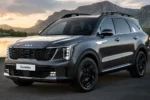
Earlier approach:
Tata Motors was the primary umbrella identity used across its automotive businesses.
New passenger-vehicle approach:
Tata.Cars becomes the dedicated customer-facing identity for passenger vehicles.
Electric vehicles:
Tata.ev continues as the dedicated EV identity.
Commercial vehicles:
The commercial-vehicle business operates separately with its own brand direction following the demerger.
This clearer separation allows Tata’s passenger and commercial vehicle businesses to communicate with customers more independently.
Final Words
The new Tata Motors Tata Cars Brand Identity marks an important chapter in Tata’s passenger-car journey.
Tata.Cars brings the company’s passenger vehicles under a more focused customer-facing identity, while the new “Nothing’s Too Far” promise reflects Tata’s ambition to connect mobility with the aspirations of modern Indian buyers.
From the evolution of Tata car design to its focus on safety, technology and electric mobility, the company has changed significantly over the years.
The biggest question now is how effectively Tata.Cars can translate this new identity into the real ownership experience — from the showroom and digital platforms to the car itself and after-sales service.
For Indian car buyers, the Tata name remains familiar. Tata.Cars is an attempt to make that familiar name feel more modern, connected and future-ready.
FAQs
What is Tata.Cars?
Tata.Cars is the new customer-facing brand identity for Tata Motors’ passenger-vehicle business, introduced in August 2026.
What is the new Tata.Cars tagline?
The new brand promise is “Nothing’s Too Far.”
Is Tata Motors Passenger Vehicles changing its legal name?
No. The legal and registered company name remains Tata Motors Passenger Vehicles Limited. Tata.Cars is the customer-facing identity.
Is Tata.ev being discontinued?
No. Tata.ev continues as the dedicated identity for Tata’s electric passenger vehicles.
Why did Tata Motors introduce Tata.Cars?
The new identity is intended to give the passenger-vehicle business a clearer, modern and future-focused identity and connect with the aspirations of a new generation of Indian customers.
Which cars come under Tata.Cars?
Tata.Cars is the broader passenger-vehicle identity covering Tata’s car and SUV portfolio, while Tata.ev continues as the dedicated EV identity.