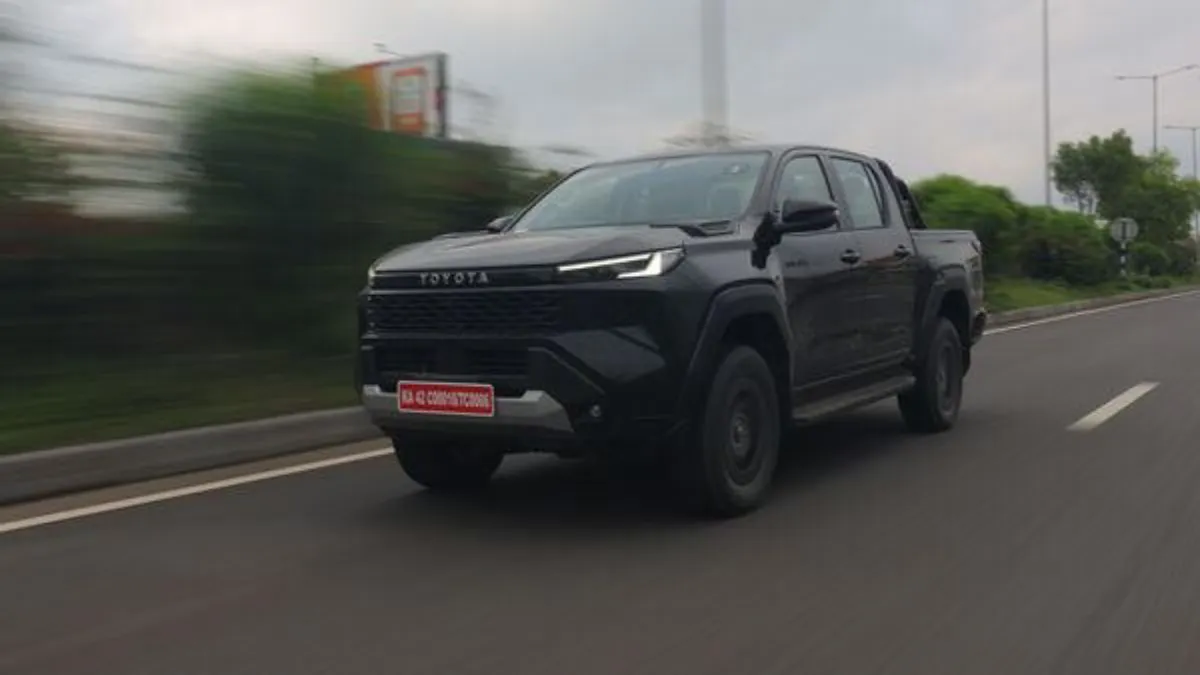
Some vehicles are constantly chasing the latest trend. Bigger screens, more technology, softer interiors and increasingly complicated features.
Then there is the Toyota Hilux.
The Hilux has never really needed to follow the crowd. Its reputation has been built on something much simpler — toughness, durability and the ability to keep going when the road ahead becomes anything but friendly.
For decades, that formula has worked extremely well.
But the automotive market has changed. A modern lifestyle pickup is no longer bought only by farmers, construction companies or people who regularly venture deep into the wilderness. Today, buyers also expect a premium cabin, modern connectivity, comfortable seats and features that make daily driving easier.
That is where the 2026 Toyota Hilux becomes interesting.
Toyota has given the pickup a noticeably fresher appearance, modernised parts of the cabin and added useful technology. At the same time, some equipment that buyers might expect at this price point is either missing or has been changed.
So, after getting an initial impression of the new-generation Hilux, here is a closer look at its design, interior, features, engine, ride quality, off-road ability and overall character.
A Hilux That Finally Looks New
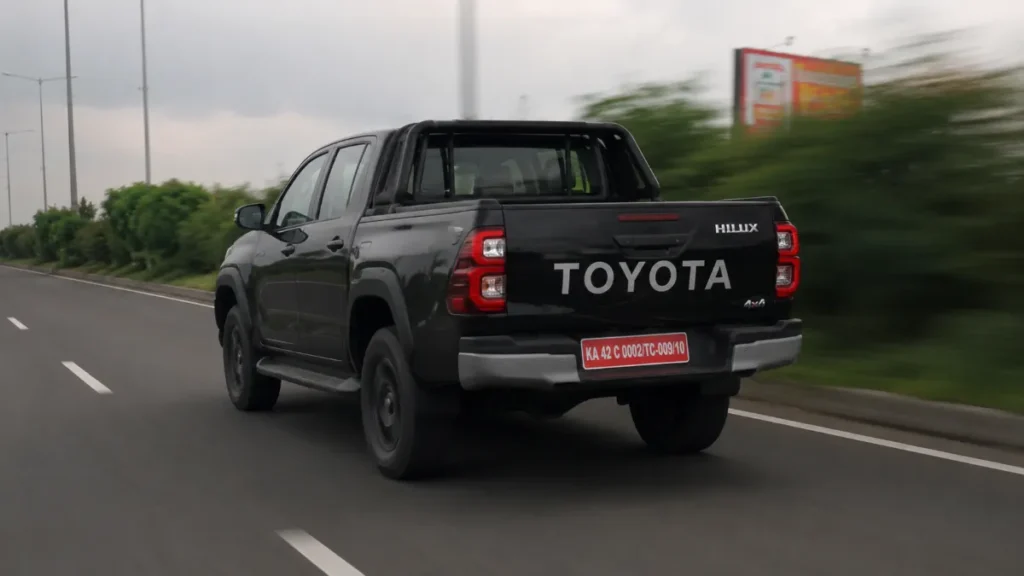
The first thing you notice about the new Hilux is the design.
The previous-generation model had a very familiar appearance. It looked tough, practical and ready for work, but it also carried an unmistakably old-school pickup character.
The new model takes a more contemporary approach.
The front end is sharper, the grille has been redesigned and the lighting elements give the pickup a more modern face. The overall body continues to look muscular, but there is a greater emphasis on lifestyle appeal.
It doesn’t look like Toyota has tried to turn the Hilux into a soft crossover. Instead, the company has modernised the traditional pickup formula while keeping the rugged proportions that define the nameplate.
From the side, the large wheels, high ground clearance and upright body continue to give it serious road presence.
Park the new Hilux next to its predecessor and the difference is immediately noticeable.
The older model has the appearance of a dependable workhorse.
The new one looks like a workhorse that has discovered premium weekend travel.
And honestly, that direction makes sense.
A More Premium-Looking Interior
Step inside and the biggest change becomes even more obvious.
The dashboard has received a substantial visual update, with a larger and more modern infotainment screen taking centre stage. The redesigned centre console gives the cabin a cleaner appearance, while features such as wireless charging and USB Type-C connectivity bring the Hilux closer to what buyers expect from a modern vehicle.
The cabin feels more organised and contemporary.
For someone upgrading from an older Hilux, the difference should be immediately noticeable.
The infotainment display is one of the highlights because the previous setup was beginning to look dated compared with newer SUVs and premium pickups.
The new cabin also does a better job of blending ruggedness with modern technology.
But there is an interesting catch.
Modern Cabin, But Some Features Are Missing
The new Hilux looks more modern, but that does not necessarily mean it has more equipment everywhere.
This is probably one of the most surprising aspects of the new pickup.
The previous Hilux offered automatic climate control, while the new model discussed here uses manual air-conditioning controls.
For a vehicle positioned above the ₹30 lakh mark, that omission is difficult to ignore.
It becomes even more noticeable during Indian summers, when automatic climate control is not merely a premium feature but something that can make long journeys considerably more comfortable.

The rear cabin also loses the dedicated rear AC vents that were available on the previous model.
For families using the Hilux regularly, this is the kind of change passengers will actually notice.
There is also a change to the driver’s seat. The electrically adjustable driver’s seat from the outgoing version has been replaced with manual adjustment.
That feels slightly unusual.
Toyota has invested in making the dashboard look more modern, added new technology and improved the overall presentation, yet some everyday convenience features have gone in the opposite direction.
This is one of the areas where the new Hilux leaves a mixed first impression.
The New Features Are Actually Useful
Thankfully, Toyota has not simply redesigned the Hilux and called it a day.
There are several new features that genuinely improve the ownership experience.
One of the most useful additions is the 360-degree camera.
That might sound like another item on a long equipment list, but it makes a lot of sense on a vehicle like the Hilux.
This is a big pickup.
Parking it in a tight urban space can be stressful, particularly when you have limited visibility around the front and rear corners. The 360-degree camera gives the driver a much better view of the vehicle’s surroundings.
It should be especially helpful in crowded parking areas, narrow lanes and unfamiliar locations.
Wireless charging is another welcome addition.
USB Type-C ports are also important because smartphones, tablets and other modern devices increasingly rely on the newer connector standard.
The larger infotainment system, meanwhile, makes the dashboard feel much more current.
So while the Hilux loses a few features, it also gains equipment that improves its everyday usability.
The Driving Experience Still Feels Like a Hilux
This is where Toyota has played things relatively safe.
And that’s probably a good decision.
The new Hilux continues with the familiar 2.8-litre turbo-diesel engine, producing around 204 PS and 500 Nm, paired with a six-speed automatic transmission.
The engine was never the weak point of the previous Hilux.
It produces strong torque and feels relaxed when cruising on highways. More importantly, it suits the personality of the vehicle.
The Hilux doesn’t need to feel like a performance SUV.
Its appeal comes from effortless progress rather than dramatic acceleration.
Press the accelerator and the engine responds with a strong wave of torque. Once you’re at cruising speed, the Hilux settles into a relaxed rhythm.
Would a little more power have been exciting?
Of course.
But in everyday driving, the existing engine already feels more than adequate.
The bigger question was whether Toyota would compromise the mechanical character of the Hilux while making it more modern.

Thankfully, that doesn’t appear to be the case.
Highway Driving Feels More Relaxed
The Hilux has always been capable of covering long distances, but pickup trucks can sometimes remind you of their commercial-vehicle origins.
The updated model feels more composed.
The ride is still unmistakably pickup-like, particularly over rough surfaces, but the overall experience feels more mature.
On highways, the Hilux settles down nicely and feels stable at speed.
The steering and driving position also give you that commanding feeling that is one of the biggest reasons people buy a pickup in the first place.
You sit high, look over traffic and get a clear view of the road ahead.
That experience remains one of the Hilux’s biggest strengths.
The Ride Quality Has Improved
Toyota hasn’t transformed the Hilux into a luxury SUV, and that was never the objective.
However, the suspension feels more controlled than before.
Broken roads and uneven surfaces are handled with a little more composure, and the overall ride feels less agricultural than some previous experiences with pickup trucks.
There is still noticeable movement from the rear suspension, especially when the pickup is lightly loaded.
That’s unavoidable to some extent.
A Hilux needs suspension that can handle payloads and demanding terrain. You cannot expect it to behave exactly like a monocoque SUV.
The important thing is that Toyota appears to have improved the balance between toughness and comfort.
Off-Road Capability Remains the Main Attraction
This is the part Toyota cannot afford to get wrong.
The Hilux name carries a massive reputation for durability and off-road ability, and the new model continues to follow that philosophy.
The ladder-frame construction, capable drivetrain and rugged mechanical package give it the confidence to tackle difficult terrain.
Whether you’re dealing with loose surfaces, steep climbs, muddy trails or rough tracks, the Hilux still feels like a vehicle that was designed to go beyond the tarmac.
And that is important.
Toyota could have easily softened the Hilux to make it feel more like a premium lifestyle SUV.
It didn’t.
The new model is more comfortable and more technologically advanced, but underneath the modern presentation it remains a serious pickup.
That is perhaps the most important thing Toyota has preserved.
The Hilux Still Has That Unbreakable Feeling
There is something difficult to describe about driving a Hilux.
It doesn’t constantly try to impress you.
There are no dramatic sounds or exaggerated driving modes needed to create a sense of capability.
Instead, there is a quiet confidence.
The chassis feels substantial. The drivetrain feels dependable. The vehicle gives you the impression that it can keep going long after the road has become uncomfortable for everything around it.

That’s a major part of the Hilux experience.
And it explains why the name has such a strong reputation around the world.
The 4×2 Automatic Variant Makes the Hilux More Accessible
Another interesting development is the availability of a 4×2 automatic variant.
Traditional Hilux enthusiasts may question the idea.
After all, isn’t four-wheel drive one of the main reasons to buy a Hilux?
For serious off-road users, absolutely.
But the lifestyle pickup market has changed.
Many buyers want the commanding driving position, rugged design, large cargo bed and unmistakable road presence of a Hilux without necessarily needing to tackle difficult trails.
For those customers, a 4×2 version makes sense.
It can potentially make the Hilux more attractive to urban buyers who want the lifestyle image and practicality of a pickup but spend most of their time on normal roads.
Toyota is therefore trying to expand the Hilux audience without abandoning the core version that enthusiasts know.
Is the New Hilux More Comfortable?
Yes, but with an important qualification.
The overall cabin experience is better because the design is newer and the infotainment system is more modern.
The larger display, wireless charging and USB Type-C ports are welcome improvements.
The driving environment also feels more contemporary.
But the missing automatic climate control, rear AC vents and electrically adjustable driver’s seat make the equipment story less straightforward.
So the answer is:
The new Hilux feels more modern, but not necessarily more generously equipped in every area.
That distinction is important.
Is It Better Than the Previous Hilux?
This is where things get complicated.
The new Hilux is clearly better in some areas.
Improvements include:
- More modern exterior styling
- Updated front-end design
- Larger infotainment display
- Wireless charging
- USB Type-C connectivity
- 360-degree camera
- More contemporary dashboard design
- Improved overall cabin presentation
- More composed ride quality
- Additional 4×2 automatic option
But there are also some notable compromises.
Features that raise questions:
- Automatic climate control is missing
- Rear AC vents are no longer offered in the same way
- Electric driver’s seat adjustment has been replaced by manual adjustment
This creates an unusual situation where the new model feels more advanced visually but is not necessarily better equipped in every practical respect.
Toyota Has Prioritised the Right Things — Mostly
Toyota’s biggest success with the new Hilux is that it hasn’t forgotten what makes the vehicle special.
The company has modernised the design without destroying its identity.
It has improved the cabin without turning the pickup into a soft luxury vehicle.
It has added technology without making the vehicle feel unnecessarily complicated.
And most importantly, it has retained the rugged mechanical character that buyers associate with the Hilux name.
That deserves credit.
However, the feature deletions are harder to defend.
When customers are paying premium money for a lifestyle pickup, they expect modern convenience as well as ruggedness.
The new Hilux gets closer to that balance, but it doesn’t completely achieve it.
Who Should Buy the 2026 Toyota Hilux?
The Hilux continues to make the most sense for buyers who value durability, off-road ability, road presence and long-term dependability.
It is particularly attractive if you want a pickup that can serve multiple purposes.
It can be a daily driver during the week, a highway cruiser on weekends and an off-road machine when the opportunity arrives.
It is not the cheapest or softest vehicle in its category.
That’s not what it is trying to be.
The Hilux is about capability.
If you want a pickup that feels genuinely tough rather than simply looking tough, the Hilux remains one of the most convincing options.
Who May Want to Look Elsewhere?
If your priority is maximum cabin equipment, the new Hilux may not be the obvious choice.
Buyers who expect features such as automatic climate control, electrically adjustable seats and a highly feature-loaded interior may find the equipment list somewhat disappointing considering the price.
This is especially true for customers who will spend most of their time driving the vehicle in cities rather than using its off-road capability.
In that situation, a premium SUV or a more feature-rich lifestyle pickup could make more sense.
The Hilux asks you to pay for its fundamental strengths.
And those strengths are very real.
Toyota Hilux 2026: Pros and Cons
Pros
- Strong 2.8-litre turbo-diesel engine
- 204 PS and 500 Nm output
- Excellent off-road character
- Strong road presence
- Proven pickup architecture
- Improved exterior styling
- Larger modern infotainment system
- Useful 360-degree camera
- Wireless charging
- USB Type-C connectivity
- Better overall ride composure
- New 4×2 automatic option
Cons
- Automatic climate control is missing
- Rear AC vents are not offered as before
- Electrically adjustable driver’s seat is missing
- Large size can make city parking difficult
- Ride still has typical pickup characteristics
- Feature list does not feel as generous as expected for the price
Final Verdict
The 2026 Toyota Hilux is an interesting evolution of one of the world’s most recognised pickup trucks.
Toyota has modernised the design, upgraded the infotainment experience, added useful technology and improved the overall sense of refinement.
But it has also made some decisions that are difficult to understand.
Removing automatic climate control, rear AC vents and electric driver’s seat adjustment from a premium lifestyle pickup feels strange, particularly when the new model is trying to present itself as a more modern product.
Yet once you start driving, the familiar Hilux character quickly returns.
The engine remains strong. The pickup feels solid. The ride is more mature. The off-road capability remains a major strength.
And underneath all the new styling and technology, it is still unmistakably a Hilux.
That’s ultimately the reason people will buy it.
Not because it has the biggest screen.
Not because it has the most luxurious cabin.
Not because it has the longest feature list.
They will buy it because they want a vehicle that gives them confidence when the road ends.
The 2026 Toyota Hilux is more modern than before, but it hasn’t forgotten how to be a Hilux.
And perhaps that’s exactly what Toyota was trying to achieve.